Private healthcare is expanding regionally
Growth in private hospitals, clinics and home care across the GCC has increased demand for staff with recorded training.


Four compulsory subjects on care, communication, public health and person-centred practice, then an option covering diabetes, stroke or dementia. Sixty credits and 600 hours, awarded by Qualifi under Ofqual regulation. It is a knowledge qualification, not a licence to practise.
Note: Duration will be based on your experience and it can be advanced bachelors too which differs from prospects to prospects
Care work is learned mostly on shift, which is both its strength and the reason so many experienced workers have nothing on paper. Qualifi positions this award as a way of recognising that. It says the qualification exists to develop and reward people working in care now and those entering it next, and to raise the standing of the sector.
The compulsory half is broad. An introduction to the field sets the terms; Communication for Health and Social Care deals with the skill that most complaints and most good outcomes turn on; Promoting Health in the Population widens the view from the individual to the community; and Person-Centred Care puts the person receiving support, rather than the service delivering it, at the middle of the decision.
Then the award does something few at this level do. Its optional subjects are condition-specific: understanding diabetes care, stroke care, or dementia care. That is a practical choice for anyone whose work concentrates on one of those groups. The award carries 60 credits with a published total qualification time of 600 hours, and sits at 603/0819/9 on the framework.

The approach that underpins modern care practice is taught in its own right rather than mentioned in passing.
Diabetes, stroke and dementia each have a dedicated optional subject, which is unusually specific for a Level 3 award.
A compulsory subject, reflecting how much of good care, and how many complaints, come down to how people are spoken to.
600 hours of total qualification time is stated, which helps when planning study around shift patterns.
Work in the health and social care sector is accepted as a basis for admission alongside formal qualifications.
Regulated by Ofqual and available internationally through approved centres.
 Q
Growth in private hospitals, clinics and home care across the GCC has increased demand for staff with recorded training.
Experienced carers often have years of practice and no certificate. A regulated UK qualification puts a registered number behind the experience.
Ageing populations have made dementia support a growing need, and it is one of the three condition-specific choices here.
Care teams in the region are highly international, and the compulsory communication subject addresses exactly that difficulty.
With 600 published hours and no fixed term, centres can spread delivery around rota work.
This qualification does not register you with any health authority. If you need a licence to practise in your country, confirm that route with the regulator itself.
Join professionals across leading organizations worldwide
Graduates placing at world-class organisations across aviation, energy, finance and government
















Join our growing global network of industry leaders
Real-world perspectives from the minds shaping global business education

Alexander is a leader in AI and cloud integration, specializing in ethical AI strategy and financial services. He develops courses on Machine Learning, NLP, and AI ethics, driving tech business growth.

Dr. David Holliman, an educator with 15+ years of experience, is Chairman of Holliman Holdings, managing business operations in tourism, trading, asset management, and education

Dr. Othman Abu Khurma, a passionate science educator with 18 years' experience in Jordan and the GCC, excels in designing engaging teaching materials, fostering dynamic discussions, enhancing learning for educators and students.
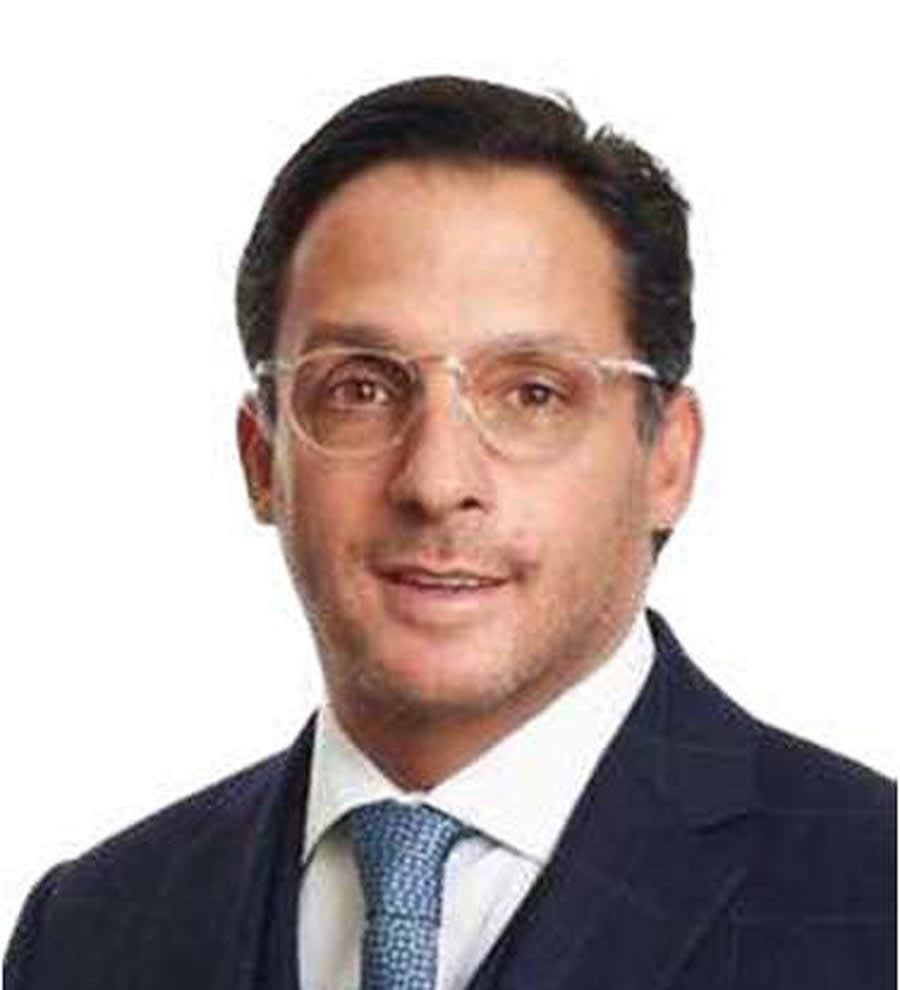
Prof. Steve, a global leader and entrepreneur with 20+ years of experience, delivers corporate training and academic courses on negotiation, conflict resolution, mediation, and cross-cultural communication.
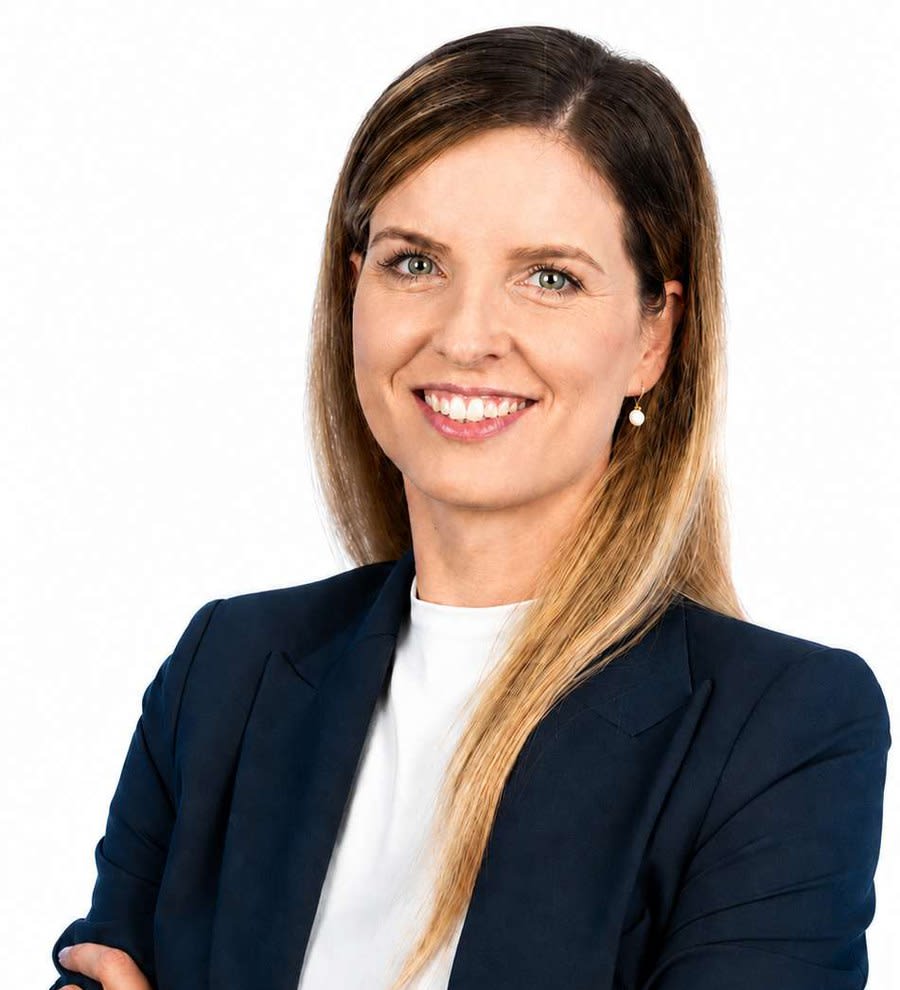
Veronika Knight delivers practical, human-centered learning experiences for corporate teams across the UAE and GCC. Her approach focuses on developing soft skills and encouraging meaningful behavioural change, helping learners apply their knowledge with confidence in the workplace.
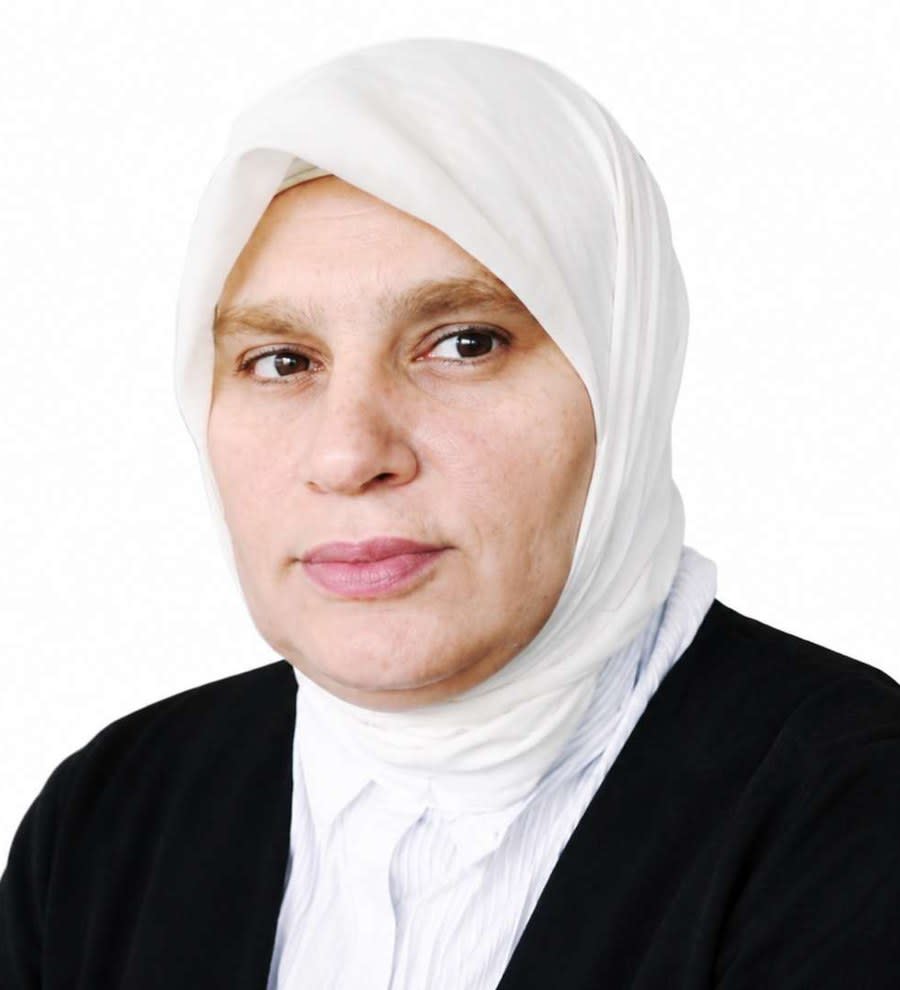
Shyma brings over 10 years of teaching experience and a background at Microsoft, combining academic expertise with practical industry insights to support learners’ professional growth.
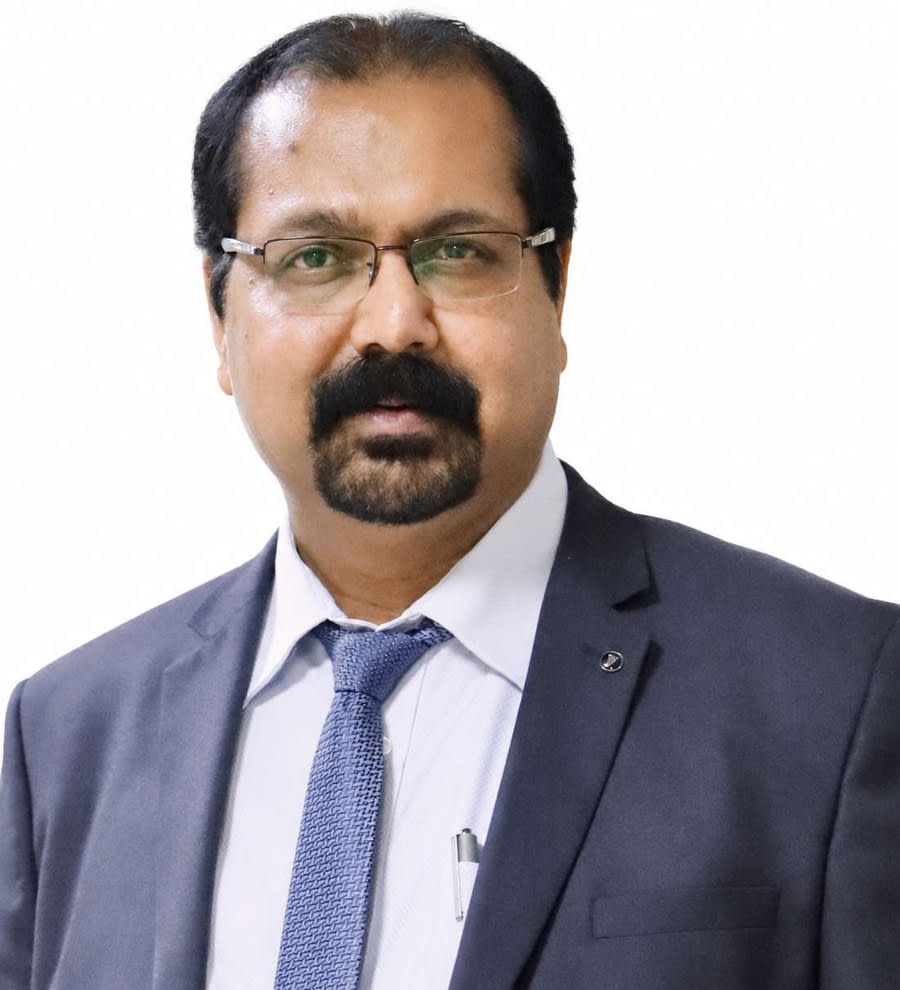
Dr. Shanmugan brings over 26 years of experience in management education and research across India and the UAE, with expertise in marketing, international business, research methods, and digital transformation.
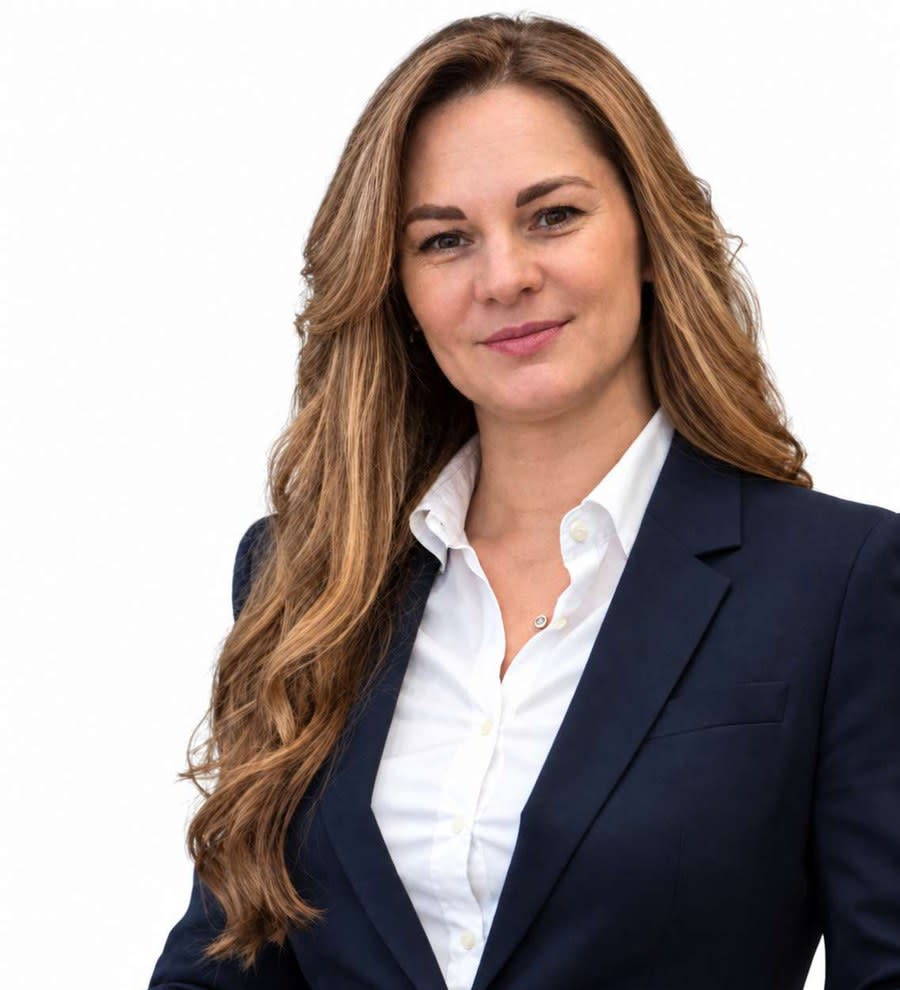
Prof. Yana Nikitina is an accomplished economist, lecturer, and researcher with a PhD in Economics and a Master’s in Education Leadership. She brings extensive experience in teaching Economics, Finance, Accounting, and Business, with a strong commitment to student-centred learning, research excellence, and professional development.
Speak to our admissions team for a personalised breakdown based on your intake and study mode.
Request Fee StructureNo commitment required. We'll connect you with an advisor.
No, and this is the single most important thing to understand before enrolling. Qualifi publishes nothing about registration with any health or care regulator for this award. It is a knowledge qualification that evidences what you understand about care practice. Permission to work in a regulated role is granted by the relevant authority in the country where you are, under its own rules, and no diploma from an awarding organisation substitutes for that. Check with the regulator directly.
Because care work usually concentrates somewhere. Someone working in a dementia unit, a stroke rehabilitation setting or with people managing diabetes benefits more from depth in that area than from another general subject. Qualifi offering understanding of diabetes care, stroke care and dementia care as distinct choices is a practical piece of design and one of the clearer reasons to choose this award over a generic one.
The qualification page lists three as optional without stating how many are required, which is a gap in Qualifi's published information rather than something we are leaving out. The Centre Specification will answer it, and your centre can confirm before you commit. We would rather flag the gap than invent a number.
Qualifi uses total qualification time to estimate the whole effort a typical learner puts in, taught sessions and independent work alike, with preparation and assessment folded in. No part of it is a timetable, and none of it implies 600 hours sat in a classroom. It is useful as a measure of scale. For comparison, Qualifi's integrated Level 3 business award is published at 1,200 hours, so this sits at half that size.
Possibly. Three doors are published. You may hold a Level 2 award; you may have worked in care and be able to say where you intend to take that; or you may already hold a Level 3 certificate in an unrelated field and now want to cross into this one. Practical sector experience is explicitly accepted, which suits people who have been doing the work without paperwork. The centre makes the decision.
Qualifi points to a Level 4 certificate, or to year one of a UK honours degree lasting three years. Universities decide their own admissions, so treat the degree route as a published possibility rather than an entitlement, and ask your target institutions what they accept. Within work, the qualification evidences knowledge; whether it leads to a promotion depends on your employer.
Share a few details and our admissions team will reach out to guide you through the next steps.