Aligned with Gulf digital agendas
Artificial intelligence, distributed computing and systems design map directly onto the technology transformation programmes running across Gulf governments and large employers.


Information systems sit where computing meets decision-making, and that is exactly where this doctorate puts you. Girne American University pairs artificial intelligence, distributed computing and advanced programming with management theory, then expects a thesis and, often, a co-authored paper.
Note: Duration will be based on your experience and it can be advanced bachelors too which differs from prospects to prospects
Few institutions now run without systems that produce, analyse, publish, store and retrieve information, and GAU argues the shortage is not of technology but of people who understand both the technology and what it does to business operations. This doctorate is its answer: computer technology combined with management decision-making methods, applied inside organisational settings.
The technical half of the taught year is genuinely technical. Advanced Topics in Artificial Intelligence opens in the autumn; software systems, distributed computing and advanced programming follow in the spring, each carrying ten ECTS. Advanced Management and Advanced Research Methods supply the other half, so neither side is treated as decoration.
Beyond coursework, GAU describes independent study, reading and research projects feeding thesis work, and notes that this research can lead to candidates authoring or co-authoring a paper with faculty members or fellow doctoral students. Graduates, it states, are prepared for careers in academia and in industry alike.
Advanced Topics in Artificial Intelligence is a compulsory first-semester course, not an optional add-on at the end.
GAU publishes a six-point list of what graduates will be able to do, from system building tools to project management techniques.
Co-authorship with academic staff or other doctoral candidates is described by the university as a normal route out of thesis research.
GAU states that students are prepared for careers both in academia and in industry, rather than funnelling you towards one.
Software systems, distributed computing and advanced programming are each taught as separate ten-ECTS courses.
Advanced Statistics and Project Evaluation and Management appear on this programme's elective list and nowhere else in GAU's business doctorates.

Artificial intelligence, distributed computing and systems design map directly onto the technology transformation programmes running across Gulf governments and large employers.
GAU prepares candidates for both, which suits professionals who may move between a ministry, a corporate role and a university post over a career.
Writing papers with faculty members is described as part of the pathway, and a citable record travels well across Gulf academic and public-sector promotion panels.
Instruction is in English, so technical supervision and the defence are conducted in the working language most Gulf professionals already use.
Two electives unique to this doctorate, Advanced Statistics and Project Evaluation and Management, suit candidates researching large programme delivery.
GAU shows no tuition figure for this doctorate and lists scholarships as available. Secure a written fee schedule from the Institute before you plan anything.
Join professionals across leading organizations worldwide
Graduates placing at world-class organisations across aviation, energy, finance and government
















Join our growing global network of industry leaders
Real-world perspectives from the minds shaping global business education

Alexander is a leader in AI and cloud integration, specializing in ethical AI strategy and financial services. He develops courses on Machine Learning, NLP, and AI ethics, driving tech business growth.

Dr. David Holliman, an educator with 15+ years of experience, is Chairman of Holliman Holdings, managing business operations in tourism, trading, asset management, and education

Dr. Othman Abu Khurma, a passionate science educator with 18 years' experience in Jordan and the GCC, excels in designing engaging teaching materials, fostering dynamic discussions, enhancing learning for educators and students.

Prof. Steve, a global leader and entrepreneur with 20+ years of experience, delivers corporate training and academic courses on negotiation, conflict resolution, mediation, and cross-cultural communication.
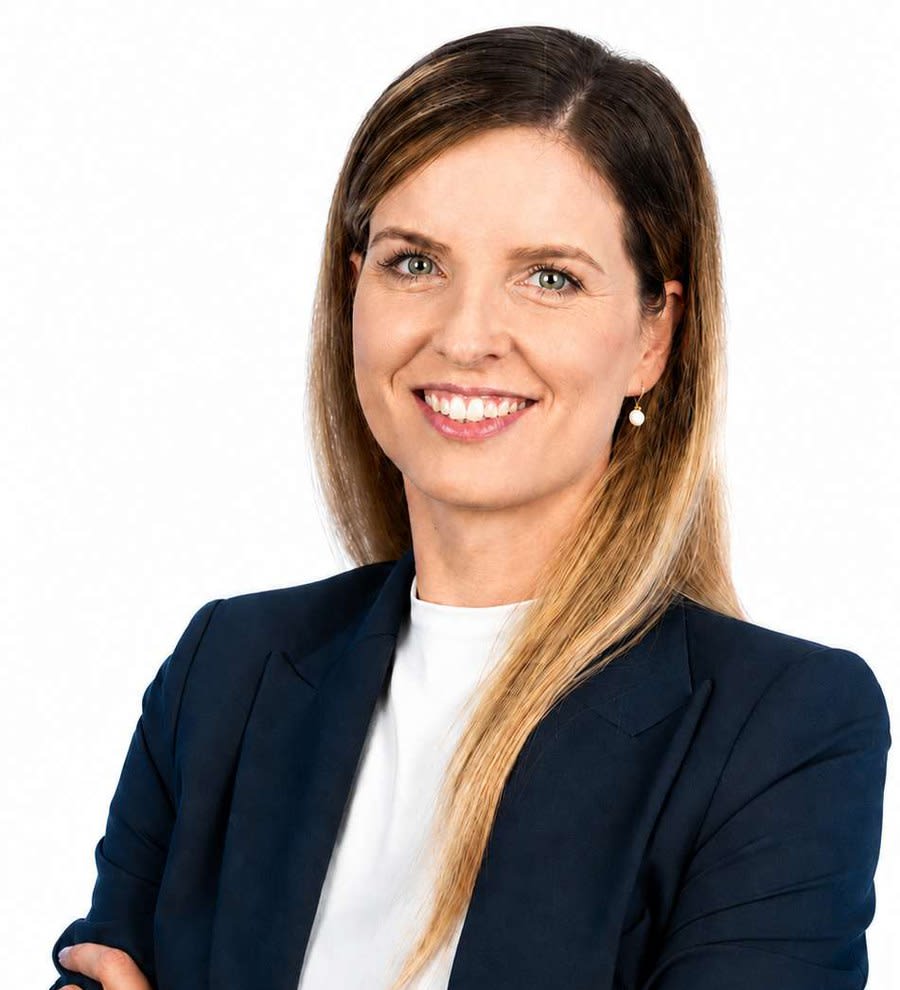
Veronika Knight delivers practical, human-centered learning experiences for corporate teams across the UAE and GCC. Her approach focuses on developing soft skills and encouraging meaningful behavioural change, helping learners apply their knowledge with confidence in the workplace.

Shyma brings over 10 years of teaching experience and a background at Microsoft, combining academic expertise with practical industry insights to support learners’ professional growth.
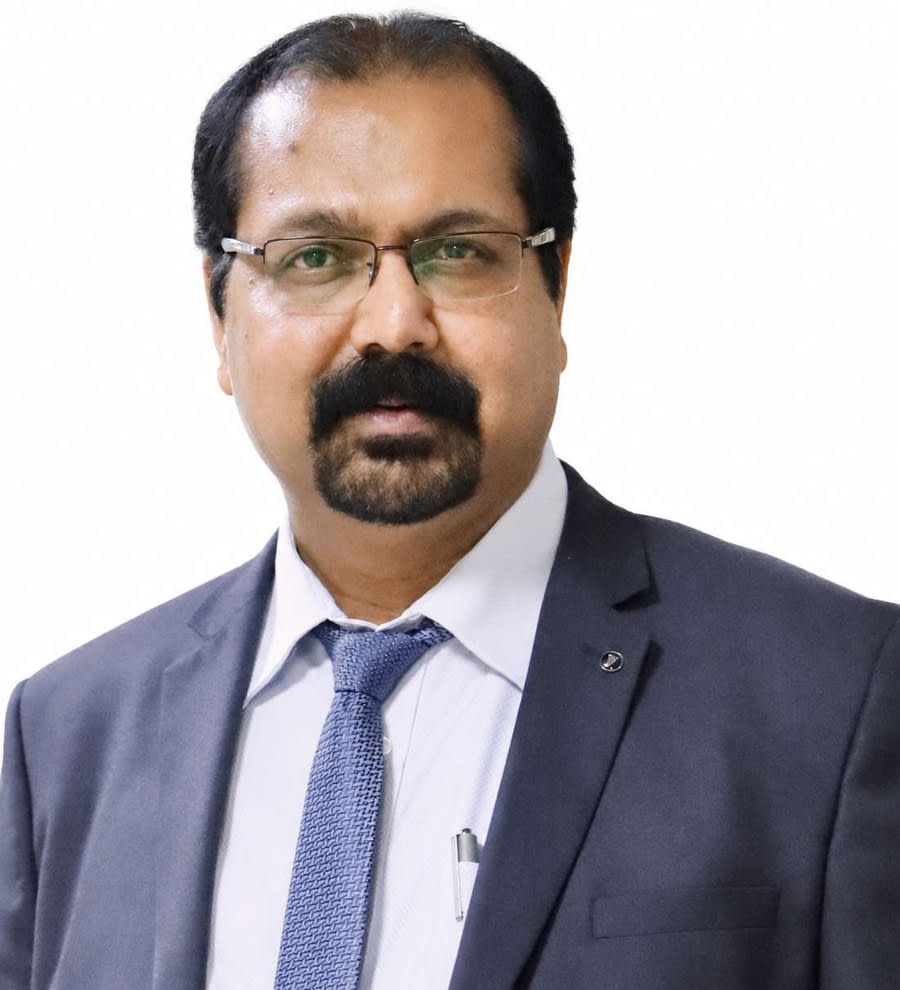
Dr. Shanmugan brings over 26 years of experience in management education and research across India and the UAE, with expertise in marketing, international business, research methods, and digital transformation.

Prof. Yana Nikitina is an accomplished economist, lecturer, and researcher with a PhD in Economics and a Master’s in Education Leadership. She brings extensive experience in teaching Economics, Finance, Accounting, and Business, with a strong commitment to student-centred learning, research excellence, and professional development.
Speak to our admissions team for a personalised breakdown based on your intake and study mode.
Request Fee StructureNo commitment required. We'll connect you with an advisor.
Deliberately both, and GAU is explicit about why. Its stated position is that the field combines computer technology with management decision-making methods to analyse, design, implement and manage computerised information systems inside an organisational environment. The taught year splits almost evenly: three technical courses, plus advanced management and advanced research methods.
GAU does not set a hard publication condition for this doctorate the way it does for business management. What it describes instead is a route: independent study, reading and research projects feed thesis research, and that research can lead to you authoring a paper or co-authoring one with faculty members or other doctoral candidates.
One line, which we will quote rather than dress up: students are prepared for careers both in academics and the industry. The Career Opportunities section of the programme page is blank. If graduate destinations matter to your decision, put the question to the Institute of Graduate Studies and Research directly before applying.
More technical than most management doctorates. Advanced Topics in Artificial Intelligence, Advanced Topics in Software Systems, Distributed Computing and Advanced Programming are four separate compulsory courses. GAU also names network and telecommunication systems and hardware concepts among the focus areas.
GAU sets it programme by programme. For management information systems the published minimum is three semesters; for marketing it is two. The qualifying examination sits before either, in the spring of year two, and passing it is what allows thesis work to begin.
The Fee field on the programme page is rendered as a dash, so no figure is in the public domain. Scholarship is marked as available. Both the amount and any award are settled with the Institute, and we would advise getting the full picture in writing before accepting an offer.
Share a few details and our admissions team will reach out to guide you through the next steps.